Current Project:
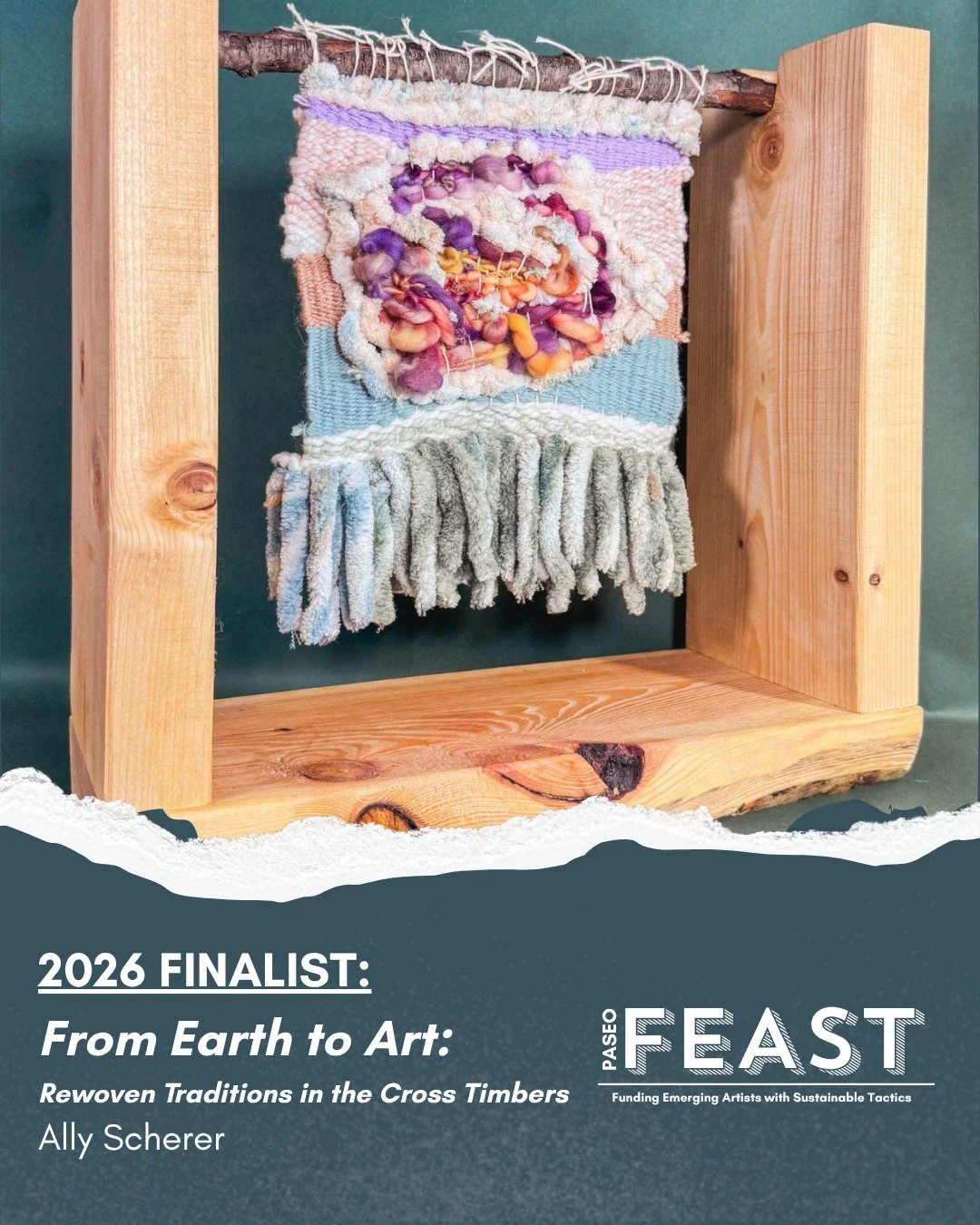
From Earth to Art: Rewoven Traditions in the Cross Timbers
Project Overview: From Earth to Art
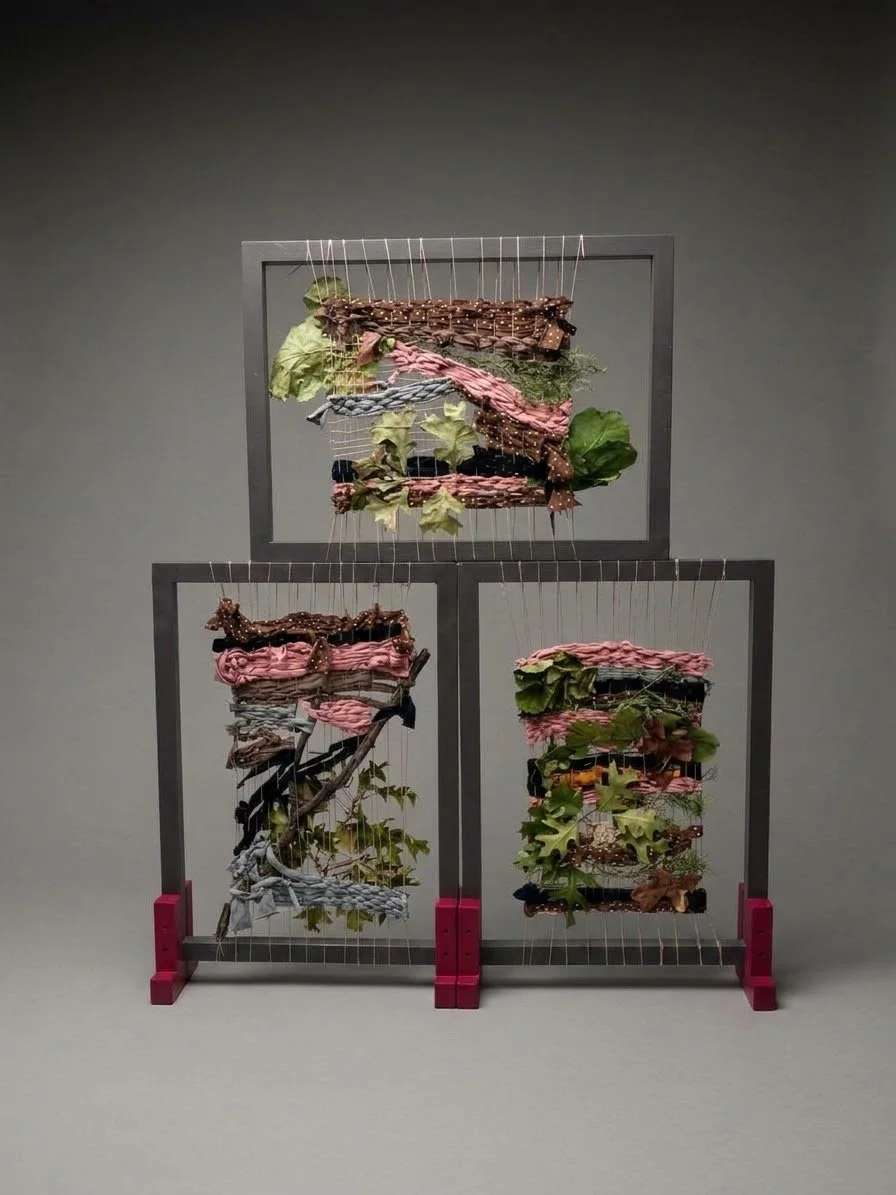
Living and working in Oklahoma's Cross Timbers transition zone, my artistic research explores the living connection between regional ecology, localized agricultural systems, and ancestral lineage. From Earth to Art bridges local agriculture, ecological stewardship, and traditional textile craft by establishing a complete, full-circle farm-to-fiber art practice.
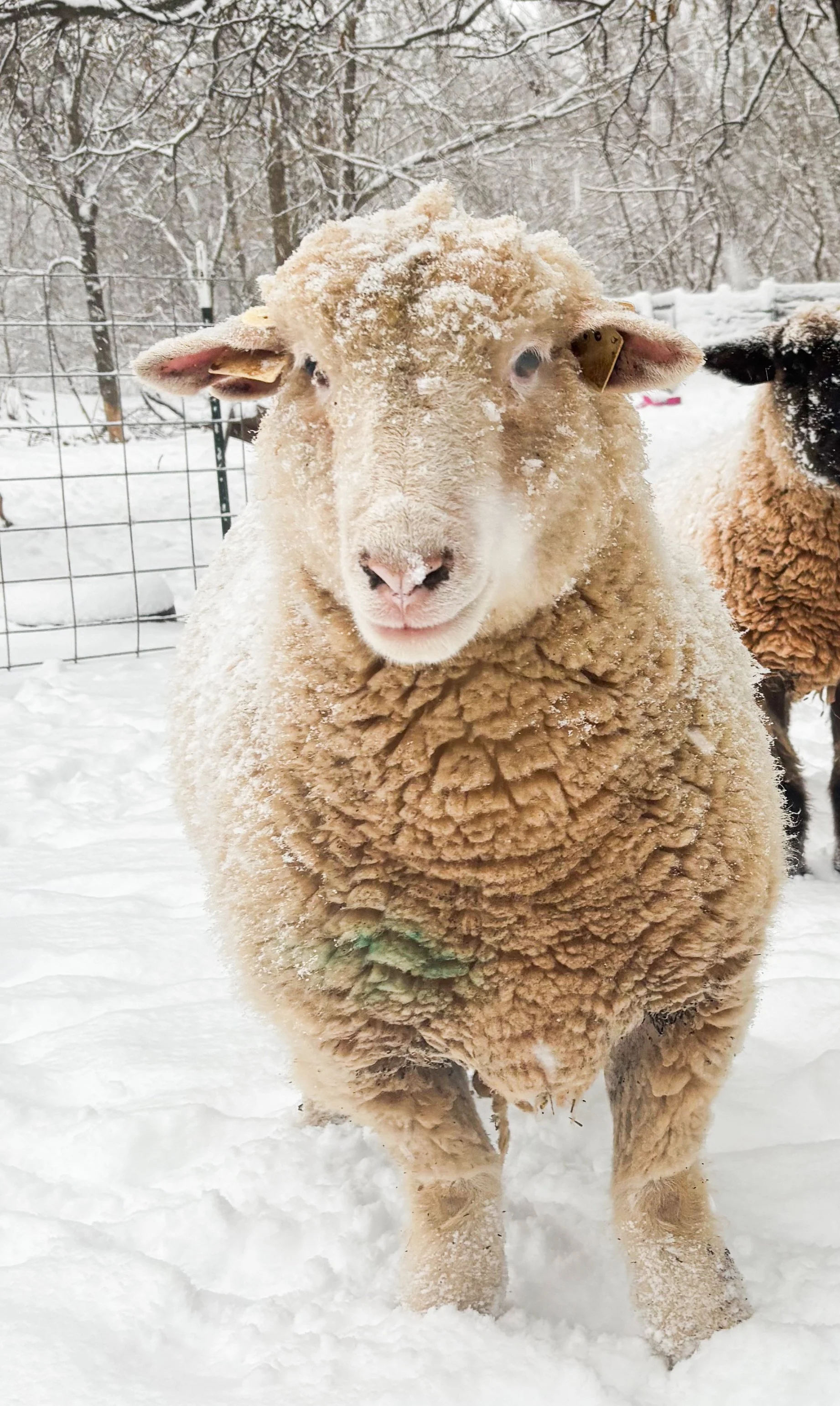
At the heart of this material journey is Reggie, a Dorset sheep living just five minutes from my studio. Reggie is not an anonymous commodity; she is a loved, cared-for creature whose fleece I am deeply honored to process. Sourcing raw fleeces directly from Reggie and central Oklahoma growers allows the studio to operate with full material autonomy by honoring the animal, the land, and the hands that tend them.
Bridging the Ancient & the Modern
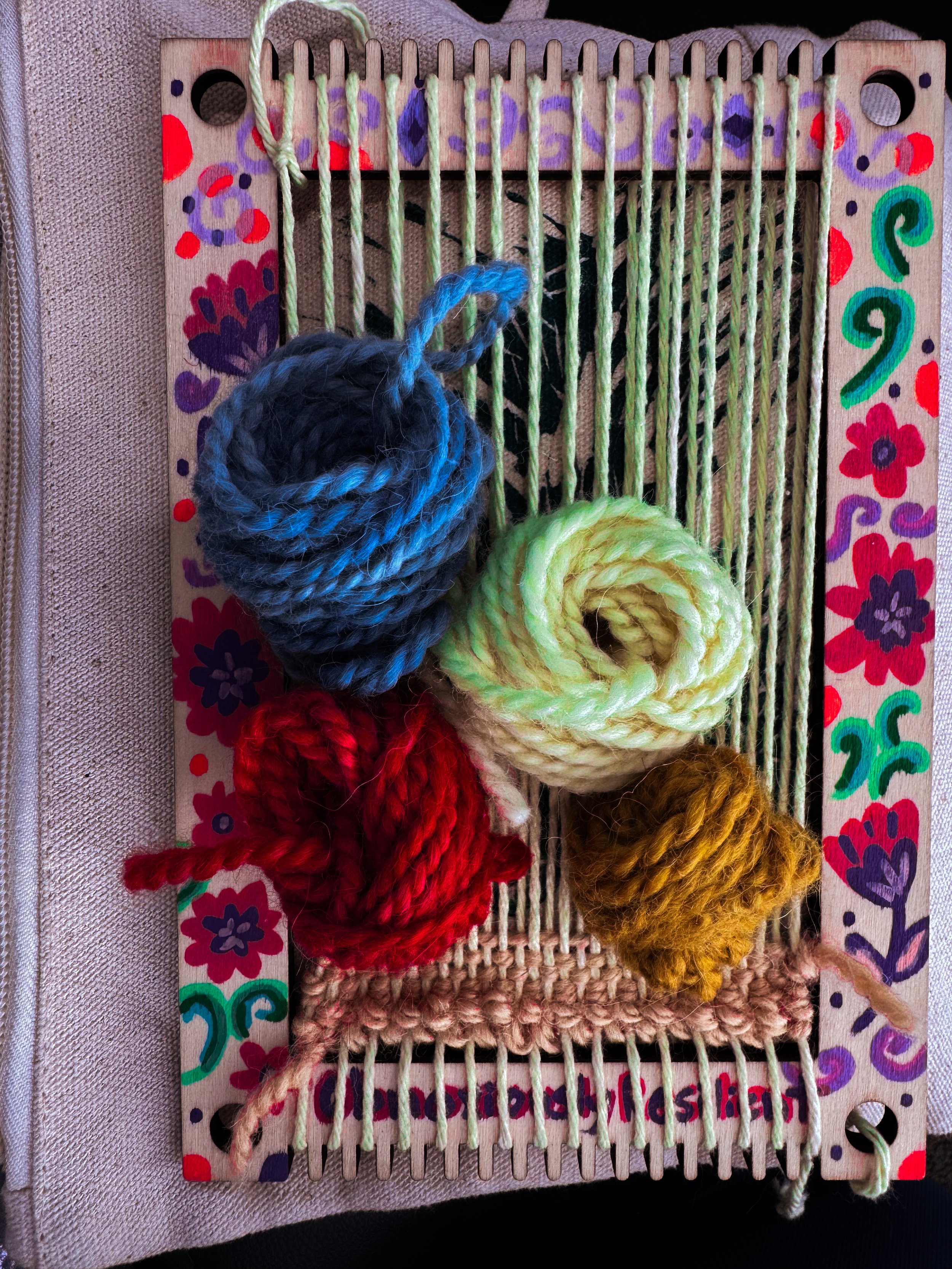
Rooted in a synthesis of Persian vertical loom knotting traditions and pre-settler colonial European folk-weaving lineages, the work sits intentionally at the crossroads of ancient craft and contemporary technology. Alongside traditional processing methods, the studio incorporates digital fabrication by using custom 3D-printed tools, laser-cut components, and precision e-spinners. These modern tools serve as ergonomic bridges that protect the body, ensuring sustainable long-term studio practice while allowing the slow, labor-intensive beauty of hand-spun yarns and natural dyes to flourish.
Community Engagement & Public Demos
From Earth to Art brings raw fiber preparation out of studio isolation and directly into public spaces. Through community presentations and partnerships with educational spaces such as Rose Rock School, the Firehouse Arts Center, and the University of Oklahoma, interactive mobile demonstrations invite public participation across every step of the process:
Tactile Fiber Processing: Handling raw, unwashed fleeces, operating drum carders, and witnessing live spinning transform raw agricultural yields into structural thread.
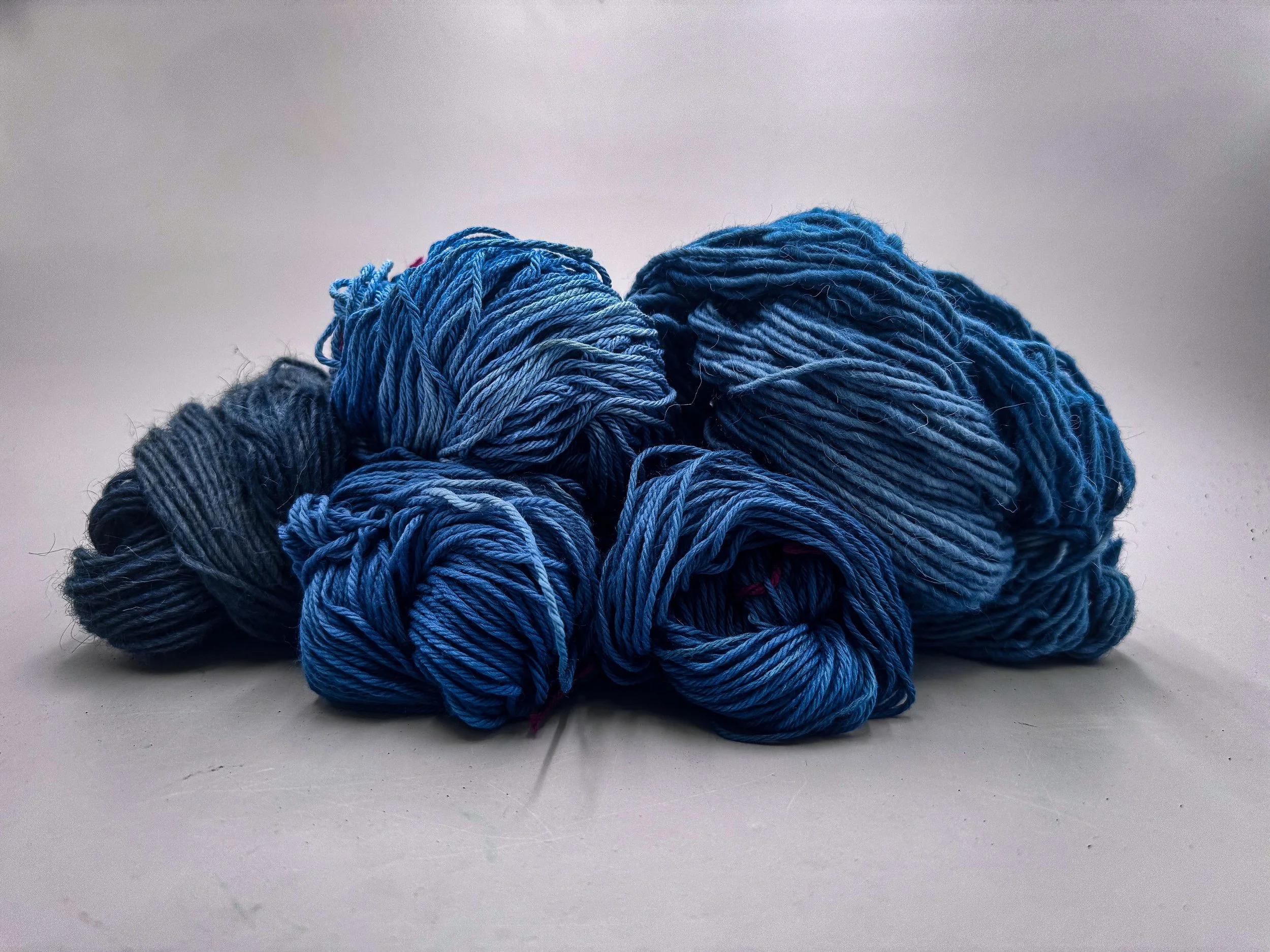
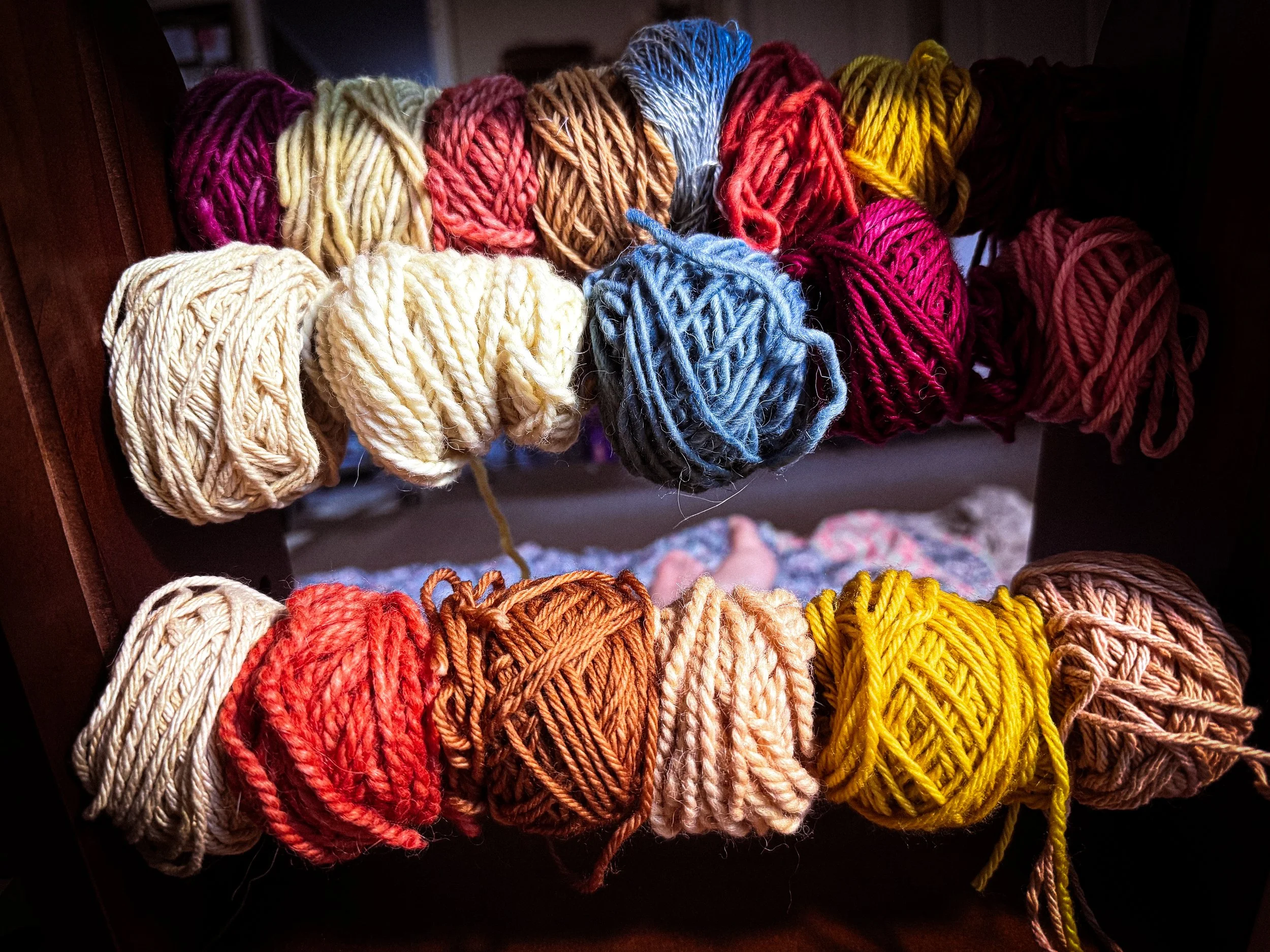
Botanical Ecology: Exploring natural dye extraction using native Cross Timbers flora such as oak galls, sumac, wild walnut, coreopsis, and elderberry.
Interspecies Connection: Fostering ecological empathy and awareness of fiber biodiversity, connecting participants directly to local land stewardship and regional sheep breeds.
Upcoming Exhibitions & Milestones
Norman Arts Council Community Project Initiative (2026/27): Expanding mobile equipment capabilities (including an Ashford fine-cloth drum carder and portable e-spinner) to deepen community-based tactile education across Norman.
Gallery TBD (Norman, OK): An upcoming solo exhibition featuring large-scale vertical loom tapestries, dimensional fiber-and-steel sculptures, framed botanical monoprints, and an interactive tactile display connecting visitors directly to raw Oklahoma fleeces and botanical dye extracts.
2026 Paseo FEAST Finalist: Selected as one of five participants for FEAST (Funding Emerging Artists Through Sustainable Tactics), an annual artist grant program.